2611 SW 17th. St. Topeka, KS 66604

Gaslighting vs. Disagreement: How to Know the Difference
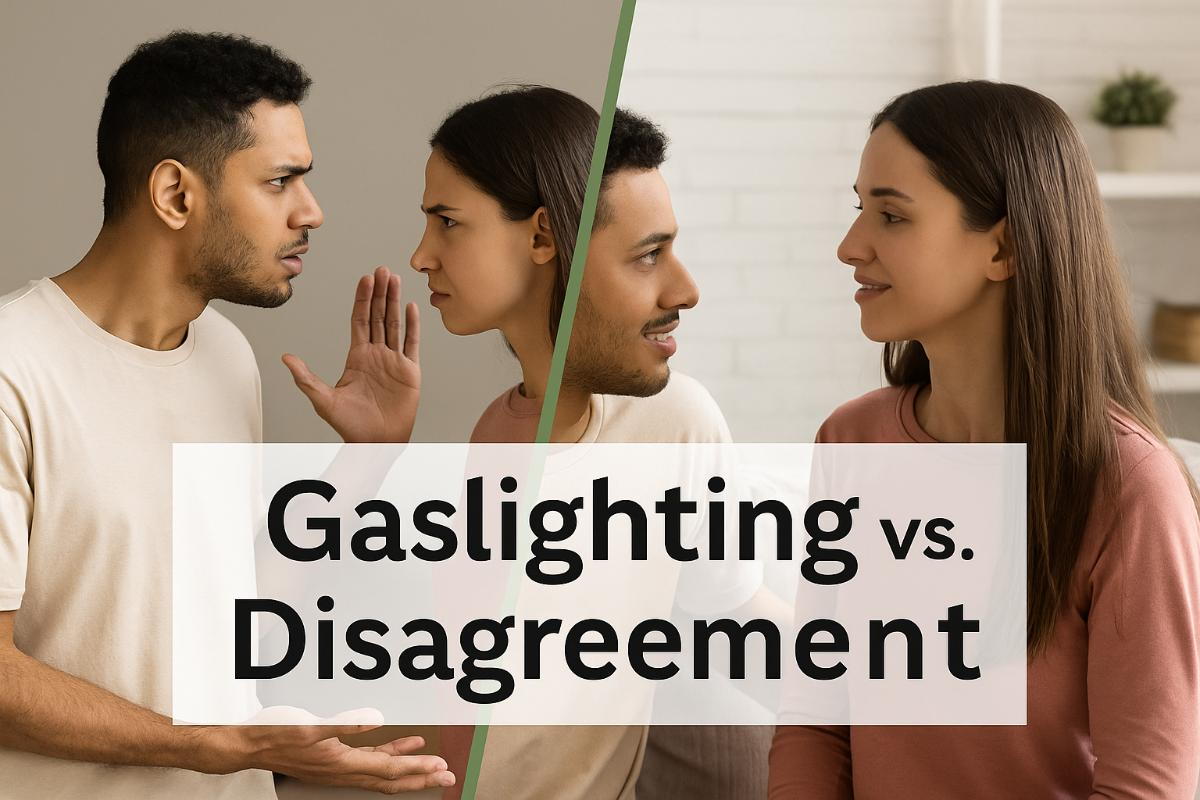
Gaslighting vs. Disagreement: How to Know the Difference
- posted: Aug. 18, 2025
The term gaslighting has become increasingly popular in conversations about relationships and mental health. But not every disagreement—or difference in memory—means someone is gaslighting you. Knowing the difference can help you protect your mental health and your relationships.
What Is Gaslighting?
According to Merriam-Webster, gaslighting is:
“Psychological manipulation of a person, usually over an extended period of time, that causes the victim to question the validity of thoughts, perceptions of reality, or memories, and typically leads to confusion, loss of confidence and self-esteem, uncertainty about one’s emotional or mental stability, and a dependency on the perpetrator.”
In simple terms, gaslighting is intentional. The person knows the truth but actively denies it to make you doubt your reality. Over time, this can damage your confidence, create anxiety, and make you dependent on them for a sense of reality.
Example of Gaslighting
Imagine it’s your partner’s night to cook dinner, and both of you are fully aware of that. When you mention it, they insist—without any doubt—that it’s your night instead. If they know the truth but keep denying it to make you question yourself, that’s gaslighting.
When It’s Just a Disagreement
Now, let’s take the same example—but this time, your partner truly believes it’s your turn. They aren’t lying or trying to manipulate you; they simply remember it differently. This isn’t gaslighting—it’s a disagreement in memory or perception.
Why We Confuse the Two
Human memory is not like a video recording. Our recall can be shaped by:
Emotions we felt in the moment
Stress or distraction at the time
The way events were framed or discussed later
When two people remember the same situation differently, it can feel frustrating—and sometimes like manipulation—but it may simply be a difference in perception.
How to Tell If It’s Gaslighting or a Misunderstanding
The biggest clue is intent:
Gaslighting = The person knows they’re wrong but denies the truth to control or confuse you.
Disagreement = The person believes their version is correct, even if it isn’t.
The Role of Communication
Disagreements often turn into arguments about who’s “right.” That’s why slowing down and having an open, respectful conversation is key. Ask clarifying questions, share your perspective without attacking, and focus on understanding rather than winning.
By communicating effectively, you can figure out whether you’re dealing with a simple misunderstanding—or a form of emotional abuse that needs to be addressed.
Gaslighting vs. Disagreement: How to Know the Difference
- posted: Aug. 18, 2025
The term gaslighting has become increasingly popular in conversations about relationships and mental health. But not every disagreement—or difference in memory—means someone is gaslighting you. Knowing the difference can help you protect your mental health and your relationships.
What Is Gaslighting?
According to Merriam-Webster, gaslighting is:
“Psychological manipulation of a person, usually over an extended period of time, that causes the victim to question the validity of thoughts, perceptions of reality, or memories, and typically leads to confusion, loss of confidence and self-esteem, uncertainty about one’s emotional or mental stability, and a dependency on the perpetrator.”
In simple terms, gaslighting is intentional. The person knows the truth but actively denies it to make you doubt your reality. Over time, this can damage your confidence, create anxiety, and make you dependent on them for a sense of reality.
Example of Gaslighting
Imagine it’s your partner’s night to cook dinner, and both of you are fully aware of that. When you mention it, they insist—without any doubt—that it’s your night instead. If they know the truth but keep denying it to make you question yourself, that’s gaslighting.
When It’s Just a Disagreement
Now, let’s take the same example—but this time, your partner truly believes it’s your turn. They aren’t lying or trying to manipulate you; they simply remember it differently. This isn’t gaslighting—it’s a disagreement in memory or perception.
Why We Confuse the Two
Human memory is not like a video recording. Our recall can be shaped by:
Emotions we felt in the moment
Stress or distraction at the time
The way events were framed or discussed later
When two people remember the same situation differently, it can feel frustrating—and sometimes like manipulation—but it may simply be a difference in perception.
How to Tell If It’s Gaslighting or a Misunderstanding
The biggest clue is intent:
Gaslighting = The person knows they’re wrong but denies the truth to control or confuse you.
Disagreement = The person believes their version is correct, even if it isn’t.
The Role of Communication
Disagreements often turn into arguments about who’s “right.” That’s why slowing down and having an open, respectful conversation is key. Ask clarifying questions, share your perspective without attacking, and focus on understanding rather than winning.
By communicating effectively, you can figure out whether you’re dealing with a simple misunderstanding—or a form of emotional abuse that needs to be addressed.
Monday
10:00 am - 6:00 pm
Tuesday
10:00 am - 6:00 pm
Wednesday
10:00 am - 6:00 pm
Thursday
10:00 am - 6:00 pm
Friday
10:00 am - 6:00 pm
Saturday
12:00 pm - 4:00 pm
Sunday
12:00 pm - 4:00 pm